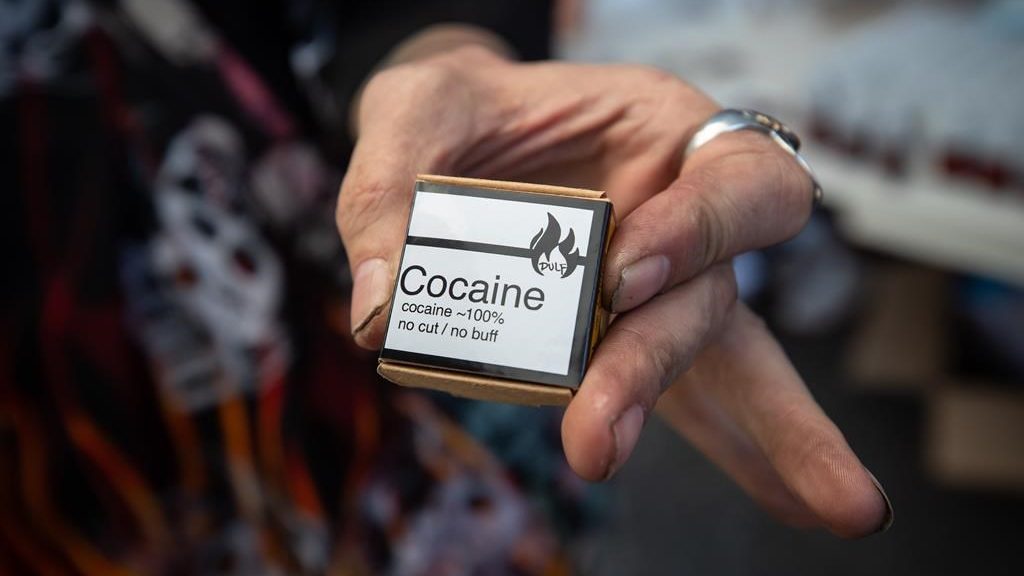
As B.C.’s drug decriminalization project comes to an end, public opinion on its effectiveness is split.
The province decided against renewing the three-year pilot project, citing a lack of results.
CLICK HERE TO LISTEN TO 1130 NEWSRADIO VANCOUVER LIVE!However, those familiar with the impact caused by the policy shift said it made a real difference.
“It decriminalizes us,” said Garth Mullins, spokesperson for the Vancouver Area Network of Drug Users (VANDU) and podcaster.
Mullins was involved in the negotiations that led up to decriminalization three years ago.
He says the pilot project was never given a real chance after it was drastically curtailed 18 months after its start amid intense criticism.
“If street disorder and public drug use are because of decriminalization, then why are those issues happening in Toronto and Edmonton and lots of other cities where there has never been a decriminalization?” Mullins said.
The pilot allowed adults to legally possess up to 2.5 grams of certain hard drugs.
The stated goal was to reduce stigma and barriers to encourage people to seek care.
SFU professor and policy expert Dr. Kora Debeck says that the goals were achieved.
“What we have actually found is that decriminalization, there’s lots of data to show that it was doing what it was set out to do,” she argued.
“I see no good grounds for ending the pilot from a public health and community perspective.”
Overdoses and deaths also trended down, but it’s not clear yet whether that’s attributable to decriminalization.
“I really reject the premise that decriminalization was a failure,” Debeck added.
Regardless, critics say those public health gains came at a cost to Vancouver’s social fabric.
“We don’t think that it met its objectives,” said Jess Ketchum, president of Save Our Streets.
“It resulted in a greater public use of drugs, which also led to other unintended circumstances like deterioration of some neighbourhoods, some business areas and people’s sense of safety was also impacted pretty dramatically.”
DTES residents say reasons behind drug use are systemic
In the Downtown Eastside (DTES), residents say that they worry about an uptick in interactions with the police.
“There is a lot of animosity between the users and the police,” said Jessica Keller, a DTES resident.
She says that public drug use is an issue, but the reasons behind it are systemic.
There are not enough places where one is allowed to take drugs, and there is not enough support for people who are trying to stop.
“We are not dangerous people down here,” Keller said.
“I don’t think anybody down here aspired to come down here. I think a lot of people want help, and they can’t receive it.”
Almost 10 years since announcement of public health emergency
Advocates say that decriminalization prevented users from getting caught up in the legal system unnecessarily, allowing them to hold on to jobs, permits, and ultimately their lives.
“I felt like they were being invited to rejoin society,” Mullins said.
“Governments seem completely comfortable to just stand beside a grave and watch us fall into it.”
The province has been approaching 10 years since the B.C. government labelled the toxic drug crisis a public health emergency.
The emergency is still clear, but those affected by it suggest the emphasis on public health is coming out of focus.