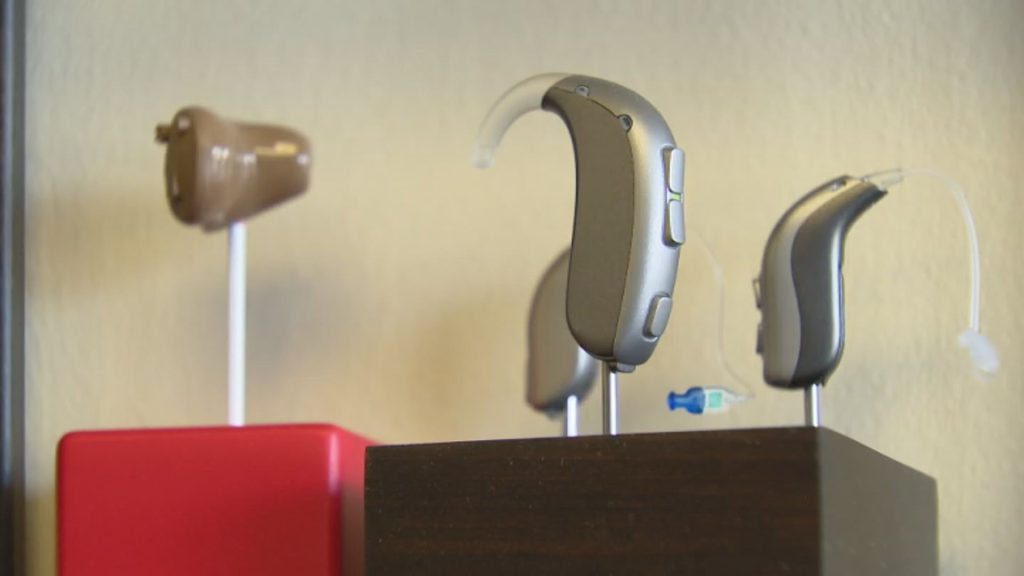
The Province of Ontario is looking into possibly allowing the sale of over-the-counter (OTC) hearing aids, the Ministry of Health announced Tuesday.
The process will start with a 30-day consultation beginning April 28 during which industry partners, health organizations and individuals, among others, will be invited to give their feedback about the idea and the regulatory changes that will be needed to implement it.
Under the existing regulations, hearing aids in Ontario are only dispensed based on a prescription from a regulated health professional. The Assistive Devices Program (ADP) covers up to 75 per cent of the cost of hearing aids for eligible residents, up to a maximum of $500 for each aid.
As per these regulations, devices like headphones or earbuds that have built-in hearing aid functionality are not allowed to activate those capabilities in Ontario. The Province is looking to possibly change those regulations and permit such devices to activate their hearing aid functions. These devices will not be eligible for ADP coverage.
The province says the move is part of their Health Innovation Pathway, “a streamlined system focused on accelerating the adoption of new health technologies that help ensure more patients receive world-class care.” They say if the regulations are amended following the consultation period, the changes will not replace or affect current processes, but provide those with hearing loss more options.
“These changes would have no impact on the province’s current model of care and Ontario patients would continue to be able to receive prescribed hearing aids covered under the Assistive Devices Program.
Last year, the College of Audiologists and Speech-Language Pathologists of Ontario (CASLPO) – which oversees Ontario audiologists and speech‑language pathologists – assembled its own task-force that examined how access to OTC hearing aids could be made available in Ontario within the existing legal framework. Between May 2025 and February 2026, the taskforce explored a number of issues surrounding the topic and came up with nine recommendations published in a report last month.
The report is largely in favour of OTC hearing aids, while recommending some guidelines.
It says that a regulatory framework and prescription process should be maintained, but also says allowing OTC hearing aids to a “defined adult population” would be beneficial to the public. That “defined” group is those 18 years old and older with “perceived mild to moderate hearing loss, no serious medical symptoms or conditions underlying their hearing problems, are technologically capable, and can seek help when needed.”
“Access to OTC hearing aids for a defined adult population may encourage more adults to pursue receiving support for their hearing loss, which would lead to more individuals receiving hearing healthcare support and thereby mitigating risks associated with unaddressed hearing loss in mid-to-later life,” the report said.
“OTC devices may offer an additional entry point for some individuals and help reduce barriers to care for individuals over 18 with mild to moderate hearing loss. At the same time, hearing loss is a health condition that benefits from appropriate assessment, diagnosis, and ongoing management by regulated health professionals,” added a CASLPO spokesperson in a statement to Citynews”
“CASLPO supports a balanced approach that maintains Ontario’s existing model of regulated, prescription-based care for those who need it, while exploring how OTC options could complement, rather than replace, professional care.”
The College’s report also suggests that the province collaborate with the federal government to clearly define what qualifies as a hearing aid and the distinctions between OTC aids and prescription aids. It further recommends that the two levels of government work together to introduce a regulated class of OTC hearing aids “that will align with provincial requirements.”
In addition, the CASLPO task force says the Province should consider amending the Regulated Health Professions Act, 1991 to include an exception for a regulated class of OTC hearing aids, similar to the exception for OTC reading glasses.
Minister for Seniors and Accessibility Raymond Cho says the proposed changes will improve access and choice for Ontarians.
“As a hearing aid user myself, I know how vital accessible support is for remaining independent, staying engaged and connected. By exploring over-the-counter options, we are expanding personal choice while ensuring people continue to have access to professional care and coverage whenever necessary,” he said in the Province’s news release.
Minister of Public and Business Service Delivery and Procurement, Stephen Crawford added that the changes will help foster a more competitive and affordable markpetplace.
“By using procurement to support innovations such as over-the-counter hearing aids, Ontario is increasing choice, delivering better value and helping to sustain our health-care system over the long term.”