“Women’s homelessness is not hidden; it is being invisibilized by a lack of services and resources.”
The CEO of the YWCA Cambridge said in a presentation to Cambridge city council on Tuesday evening about the first year of operating their women-only emergency homeless shelter.
Kim Decker said women “are not hiding, they are knocking on our doors.”
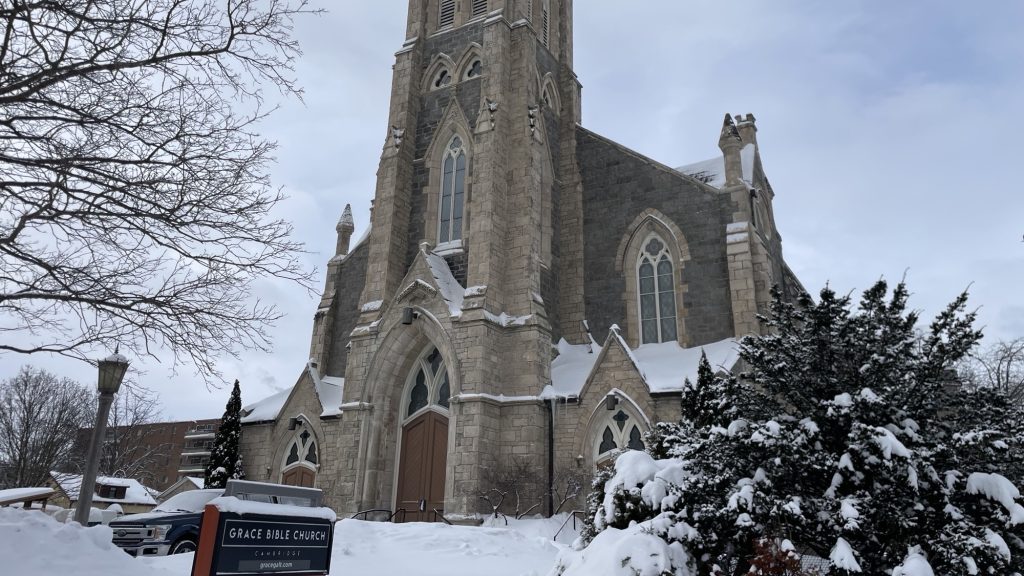
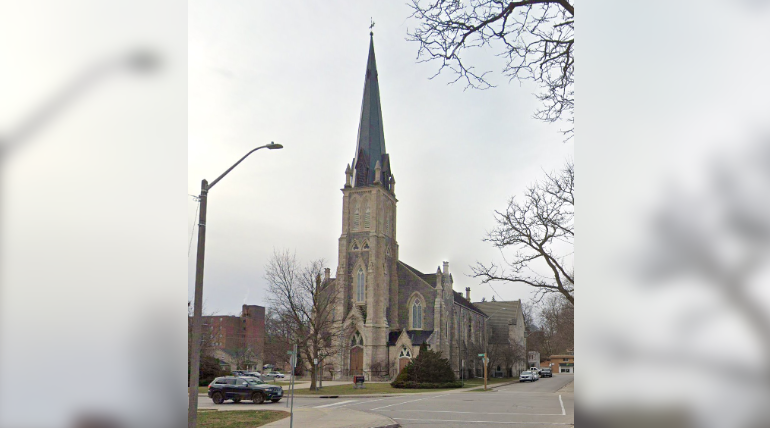
She was giving councillors an update on what it’s been like operating the 20-bed shelter at Grace Bible Church, at 2 Grand Ave. S.
Decker said they’ve had to increase security outside, and have had to call police on occasion, “because there are men in this community who drive around looking for vulnerable women.”
She said when it comes to who is using the shelter, the numbers “tell a story of serious systemic failings.”
About 26 per cent of their clients at the shelter in the first year were Indigenous, while Decker pointed out that Indigenous people make up only 3 per cent of the Ontario population.
Half of their clients were older than 45, and 11 per cent are older than 65.
Decker said last December alone, two-thirds of their clients were 65 or older, many of whom were experiencing homelessness for the first time. The oldest resident in the first year was 84.
But Decker said opening the shelter was the best thing they could have done. She said a little more than 160 women came through the door of the shelter ina year, with lengths of stays ranging from a few days to several months.
Decker said they moved 16 clients into transitional or permanent housing, and of them, three women chose to go into treatment.
But she added that the shelter has had to turn women away. Decker told council that 20 beds can’t help the 1,000 women living without a home in Waterloo Region off the streets.
She said it would help to see protections against renovictions, and to have the city find land for drop-in spaces. The organization would like to see more incentives for affordable housing, especially more deeply affordable housing and accessible housing.
Several members of council thanked Decker and her team of staff and volunteers for all their work.